
What Is Local SEO? 7 Practical Ways It Can Help Your Business
A plain-English introduction to local SEO: what it means, who it helps and seven practical ways to improve your business’s local visibility.
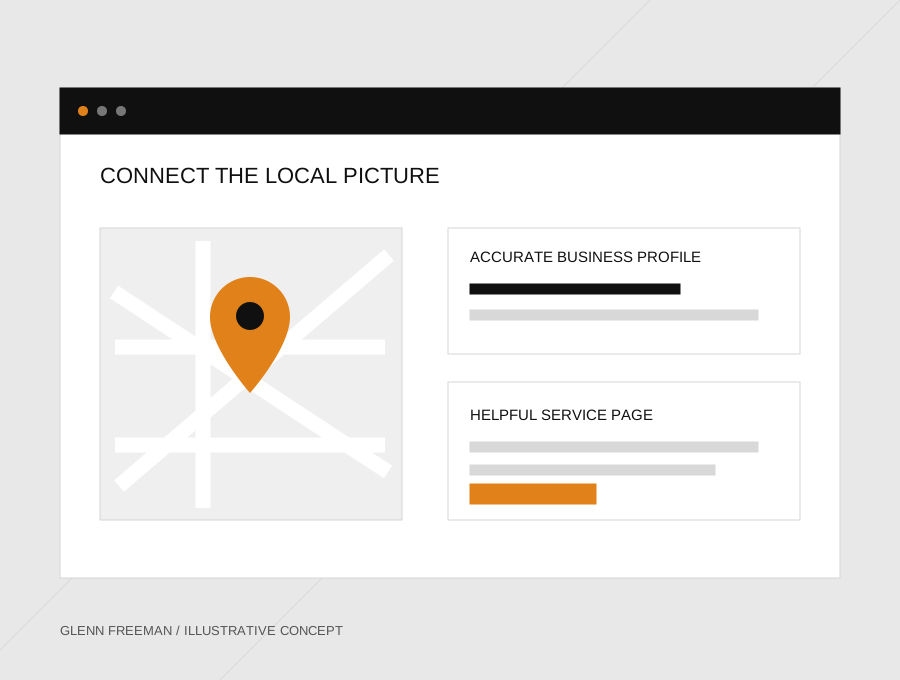
Local SEO is the work of making your business easier to find when people search for services or products in a particular area. For a small business, that could mean appearing for a relevant Google Maps search, making a service page clearer or helping a nearby customer find accurate opening hours.
If you have wondered why another business appears when someone searches for the service you provide, local search is a useful place to start. This guide explains the basics, the benefits and seven practical improvements you can make without filling your website with repeated keywords.
What does local SEO mean in practice?
Imagine someone looking for a beauty clinic in Rochester or a plumber serving their neighbourhood. They want a business that offers the right service, operates in a suitable area and looks trustworthy enough to contact. Local SEO helps search engines and customers connect those details.
Your website is one part of that picture. Your Google Business Profile, genuine customer reviews, relevant mentions on other websites and the accuracy of your business information can matter too. These elements should describe the same real business rather than make different promises in different places.
It is also useful to distinguish local results from general website results. A search can show a map and business listings as well as links to websites. Your profile and your website support different parts of the journey, so improving one does not remove the need to look after the other.
How can local SEO help your business?
The main benefit is a better opportunity to be discovered by people who need what you offer in the area you genuinely serve. Clear pages and accurate listings can also make it easier for someone to decide whether you are right for them and how to enquire.
For a shop, that might mean making opening hours and directions easy to find. For a service business, it might mean explaining the work you do, the locations you cover and how to request a quote. For a clinic, useful treatment information and real photographs can help people explore the business before contacting it.
Better visibility is not a guarantee of bookings or sales. The offer, the website experience and how you respond to enquiries all influence what happens next. Think of local search as one part of a useful, consistent customer journey.
7 practical local SEO improvements
1. Keep your business profile accurate
If your business is eligible for a Google Business Profile, claim and verify it through Google. Choose an appropriate main category and describe your services clearly. Keep opening hours, website details and other relevant information up to date, including changes around holidays.
Use your real business name and follow Google’s rules for addresses and service areas. An online-only business is not automatically eligible for a profile. Check the official Business Profile eligibility guidelines before creating a listing or displaying an address.
2. Explain each main service on your website
A visitor should not need to guess what you do. Give your main services useful pages with a clear heading, a simple explanation, relevant details and an obvious next step. Include the areas you serve where that information helps someone decide whether to enquire.
Avoid making dozens of nearly identical pages that only swap a town name. A local page should offer a real reason to exist, such as accurate service coverage, relevant examples or practical information for that location. My website design service focuses on making this information easy to explore.
3. Make the next step easy on mobile
People researching a nearby business may be using a small screen while comparing several options. Make text readable, keep navigation straightforward and check that enquiry forms work without unnecessary effort. Large images and awkward layouts can make even good information frustrating to use.
Start with the pages that matter most: your homepage, main services, contact details and any booking or enquiry route. If these need regular attention, website support can help keep the experience consistent as your business changes.
4. Ask for genuine feedback
Reviews help prospective customers understand other people’s experiences. Ask customers for honest feedback at an appropriate point, without offering an incentive or selecting only people who are likely to leave a positive review. Never invent testimonials or present example feedback as real.
Respond professionally where a reply is helpful. Avoid sharing private customer information in public responses. Reviews are useful evidence for a visitor, but they should sit alongside clear service information and a website that accurately represents your business.
5. Keep business details consistent
Check the business details on your website, profile and relevant directory listings. Correct outdated information, particularly after a move, rebrand or change to opening hours. A customer should not find one set of details on a directory and another on your contact page.
Prioritise listings that your customers might actually use, such as a relevant industry body or local business directory. Buying large batches of low-quality directory links is a poor substitute for accurate information and useful relationships.
6. Show real work and answer useful questions
Case studies, photographs and helpful articles give visitors more context than a short list of services. Explain what you did, who the work was for and the decisions involved, without inventing results you have not measured. My PermaGlow website design case study is an example of showing a finished project through screenshots and an explanation of the design.
A blog can answer questions customers ask before they buy. Each article should have a clear purpose and link naturally to a relevant service or case study. Keep it useful to the reader rather than creating posts simply to repeat the same search phrase.
7. Build relevant connections
A mention from a genuine local organisation, partner or industry publication can introduce your business to a useful audience. Links should arise from a relevant connection or helpful contribution. Avoid buying links intended to manipulate rankings or taking part in mass link exchanges.
Within your own website, use descriptive links to connect related pages. A reader should be able to move from an explanation to the relevant service, then to a case study or an enquiry. Those links also help search engines understand how your content fits together.
How do you know whether it is working?
Start with a record of the enquiries, bookings or other outcomes that matter to the business. Then use available tools, such as Google Search Console and Business Profile performance, to understand how people discover you. Compare useful periods and consider seasonal changes before treating every movement as a trend.
A position check from your own computer is only a small part of the picture because results can vary by location and context. Look for patterns across discovery and enquiries, and make one clear improvement at a time so you can learn from it.
Common questions about local SEO
Can you guarantee a top position in Google Maps?
No. Search results depend on factors outside any supplier’s control, including the searcher’s location and other businesses. A responsible plan focuses on improving accurate information, useful pages and the customer journey rather than promising a particular ranking.
Do I need a website as well as a business profile?
They serve different purposes. A profile helps people discover quick business details; a website gives you room to explain services, show work and answer questions in your own branded space. Linking the two gives a visitor a clearer route to more information.
How long does it take?
There is no single timetable. Fixing an incorrect detail can help visitors as soon as that correction becomes visible, while broader search improvements take time to assess. Your starting point, competition and the changes you make all affect the picture.
A clear place to start
Begin by checking your main service pages, business details and enquiry route. Then choose the gaps most likely to confuse a potential customer. You do not need to solve everything at once; you need a practical order for making the website and its surrounding information more useful.
If you would like help choosing that order, explore my local SEO services for small businesses or tell me about your business. I am based in the West Midlands and work with businesses across the UK.
Further reading
For the underlying search guidance, start with Google’s explanation of local ranking and the Google Search SEO Starter Guide. These are useful primary sources when checking advice about business profiles and websites.

About Glenn Freeman
Freelance website designer and developer based in the West Midlands, helping small businesses across the UK with websites, content and local SEO. Get to know Glenn.